Experience Essential K-Drama Lines and the Cultural Context Behind Them
This page contains Coupang Partners affiliate links; the operator may earn a commission.
Key Takeaway
The quickest way to pick up Korean from K-dramas is to understand the cultural context of key exclamations like "Bap meogeosseo?", "Daebak", and "Eotteokhae", which pack in Korean feelings and emotions.
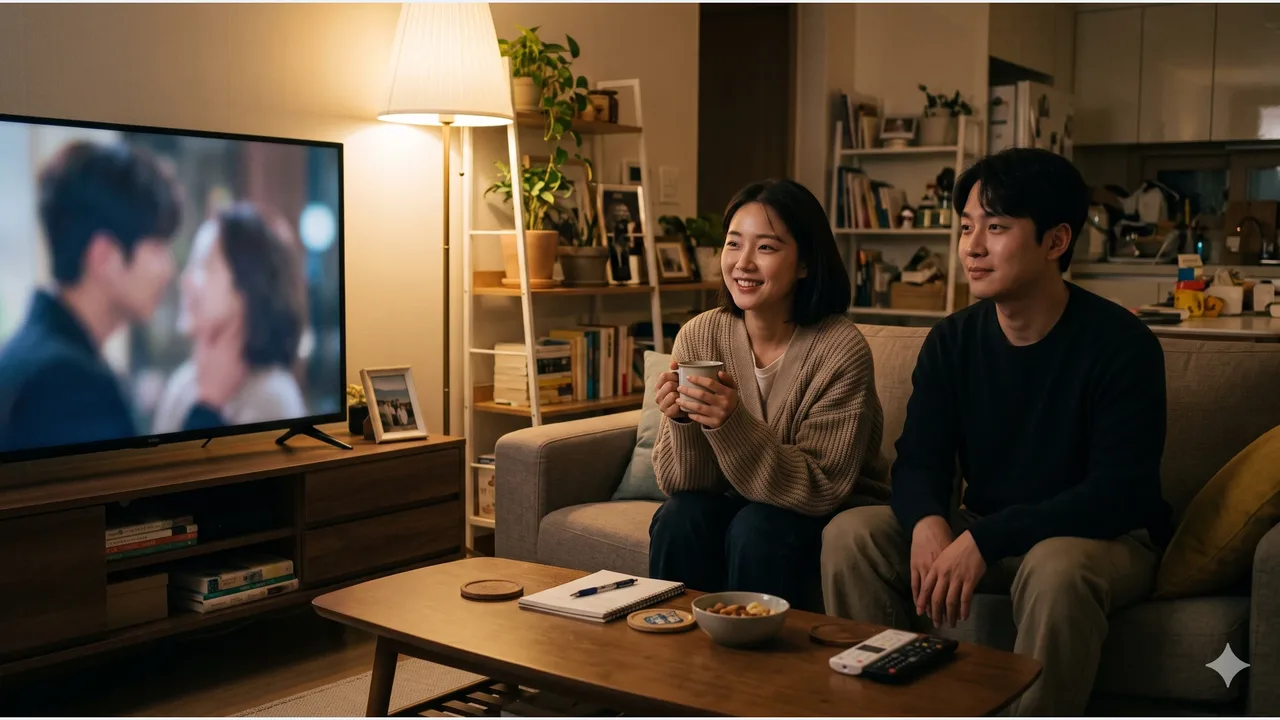
Korean dramas (K-dramas), which have won over viewers around the world, are full of living conversation and everyday breath that feels quite different from the fixed sentences in textbooks. Once you know the hidden meaning of the magic words you hear in every episode, watching becomes twice as fun.
What are the 4 emotional expressions you hear most in Korean dramas?
The first is the exclamation "Daebak". It expresses surprise with your whole body, whether for a huge success, a shocking twist, or a delicious meal. The second is "Eotteokhae", which comes out when you are in a tough or awkward situation.
The third is "Jinjja?" and "Heol", used to react to what someone says. The fourth is "Gwaenchana?", which drama leads say at moments of parting or comfort.
| Common drama line | Literal meaning | Real cultural nuance |
|---|---|---|
| "Bap meogeosseo?" | Did you eat rice? | A check-in meaning "Are you doing okay? I care about you" |
| "Daebak!" | Huge jackpot! | "Wow, no way! That's amazing, the best!" |
| "Eotteokhae..." | What should I do? | Empathy meaning "Oh no, this is serious / how sad" |
| "Gwaenchana" | It is okay | A gentle comfort meaning "Don't worry, it will all work out" |
| "Paiting!" | Fighting! | Encouragement meaning "Cheer up! You can do it!" |
What special feeling is packed into the word "bap" (rice)?
In Korean culture, "bap" is more than a meal. It is a medium for relationships. Saying "Let's have a meal sometime" may be an empty promise with no date attached, but it is also a warm, characteristically Korean expression of goodwill, meaning you want to keep a good relationship with the other person.
This is why dramas never miss a scene of someone serving a warm meal, whether the leads are making up or comforting a friend who is having a hard time.
How can you correct your pronunciation and intonation naturally with drama lines?
Shadowing, copying a character's mouth shape and intonation exactly, helps a lot. Depending on the subtle pitch, whether a sentence ends high or low, the same words can come across as a question, surprise, resignation, or a completely different feeling.
Key Korean Words and Sentences
Practice your pronunciation with feeling, as if you had stepped into a famous drama scene.
1. Essential Vocabulary
- Daebak: Awesome, Jackpot / something very surprising and good
- Jinjja: Really, Truly / genuinely, without a lie
- Gwaenchana: Okay, All right / having no problem and feeling at ease
- Yaksok: Promise, Appointment / a plan made together
- Maeum: Heart, Mind / the center of thoughts and feelings
2. Practical Sentences
| Pronunciation (Romanization) | Meaning in English | Audio |
|---|---|---|
| Wa, igeo jinjja daebagida | Wow, this is seriously awesome | <button type="button" class="tts-btn" data-tts="와, 이거 진짜 대박이다">🔊 Listen</button> |
| Babeun chaenggyeo meogeosseo | Did you make sure to eat | <button type="button" class="tts-btn" data-tts="밥은 챙겨 먹었어">🔊 Listen</button> |
| Amu geokjeong haji ma, da gwaenchanajil geoya | Don't worry at all, everything will be fine | <button type="button" class="tts-btn" data-tts="아무 걱정 하지 마, 다 괜찮아질 거야">🔊 Listen</button> |
| Uri daeume kkok dasi mannaseo masinneun geo meokja | Let's definitely meet up next time and eat something delicious | <button type="button" class="tts-btn" data-tts="우리 다음에 꼭 다시 만나서 맛있는 거 먹자">🔊 Listen</button> |
3. Recommended Video Guide
We recommend famous-line clips from Korean dramas on K-content YouTube channels and on the National Institute of Korean Language learning site. Practice by checking the nuance yourself through the actors' lively expressions and voices.
Frequently Asked Questions
Why is "Bap meogeosseo?" (Did you eat?) used as a greeting in K-dramas?
In Korea, "Bap meogeosseo?" or "Siksahasyeosseoyo?" is more than a question about whether you ate rice. It is the warmest everyday Korean way of asking how someone is and showing concern for their health.
How are "Jinjja?" and "Jeongmal?", which I often hear in dramas, different?
Both words mean "Really?", but "jinjja" is a casual, informal expression used between friends, while "jeongmal" has a slightly softer and more standard nuance.
Is it okay to say the exclamation "Daebak" to someone older?
"Daebak" is an exclamation for something so great or surprising it is hard to believe. In formal settings or with older people, it is much more polite to say "Jeongmal daedanhaeyo" (that's truly impressive).
Sources & Verification Date
- Korea Creative Content Agency, Global trend report on broadcast video content · Verified
- National Institute of Korean Language, Basic Korean Dictionary: everyday emotions and communication expressions · Verified
All materials have been verified from official announcements and may have changed since verification.